Hawthorn trees are easy to spot once you know what to look for. They are hardy, deciduous trees or large shrubs known for sharp thorns, spring flowers, and bright red fruit. Many homeowners like them for their seasonal color and wildlife value. At the same time, hawthorns can develop disease problems if they are planted in the wrong place or not maintained well.
If you are trying to identify a hawthorn tree, compare popular varieties, or understand common health issues, here is what to know about hawthorn tree identification, varieties, and diseases.
What Is a Hawthorn Tree?
Hawthorn is the common name for trees and shrubs in the Crataegus genus. These plants are often used in ornamental landscapes, hedges, and wildlife plantings.
Hawthorns are known for:
- Sharp thorns on twigs and branches
- Dense branching
- White or pink flower clusters in spring
- Small red fruits called haws
- Good seasonal color and wildlife value
Some hawthorns stay shrubby. Others grow into small trees. Most are tough plants, but they still need the right site conditions to stay healthy.
How to Identify a Hawthorn Tree
Hawthorn trees have several features that help separate them from other ornamentals. Leaves, flowers, fruit, bark, and thorns all help with identification.
Leaves
Hawthorn leaves are usually small, simple, and alternate. Many have serrated edges and shallow lobes. Some leaves look a little like paws or mittens because of their shape.
- Deciduous leaves
- Simple and alternate arrangement
- Serrated edges
- Often 3 to 7 lobes
If you are comparing leaf shape with other trees, it can help to review a broader guide on how to identify trees.
Twigs and Thorns
This is one of the clearest hawthorn traits. Many hawthorns grow long, sharp thorns that often measure 1 to 2 inches. In some species, they can be even longer.
- Long, stiff thorns
- Sharp branch structure
- Dense twig growth
If you are trying to rule out similar species, you may also want to compare them with other trees with thorns.
Flowers
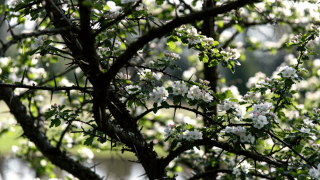
Hawthorn flowers usually bloom in late spring. They grow in broad, flat-topped clusters and usually have five petals. Most are white, though some varieties have light pink blooms.
- Bloom in late spring, often in May
- Five-petaled flowers
- White or pale pink color
- Dense clusters that stand out from a distance
Fruit
After flowering, hawthorns produce small pome fruits known as haws. These fruits usually ripen in fall and often remain on the tree into winter.
- Small and round
- Usually bright red
- Apple-like in structure
- Useful for birds and wildlife
Bark
Hawthorn bark is often gray and scaly. Some species have bark with a silvery tone, especially as they mature.
- Gray to silvery color
- Scaly or rough texture
- More ornamental with age on some cultivars
Popular Hawthorn Varieties
Not every hawthorn looks the same. Some are chosen for flowers. Some for fruit. Some for bark. Some for fewer thorns.
Green Hawthorn ‘Winter King’
Crataegus viridis ‘Winter King’ is one of the most popular ornamental hawthorns.
- Fewer thorns than many other hawthorns
- Bright red fruit
- Orange to purple fall color
- Attractive silver-gray bark
This is often a strong landscape choice for homeowners who want seasonal interest without the harshest thorn problem.
Washington Hawthorn
Crataegus phaenopyrum is known for its upright, somewhat pyramidal shape and dependable fall color.
- White spring flowers
- Red fruit
- Red to orange fall color
- Good small specimen tree
English Hawthorn
Crataegus monogyna is a classic hedging species. It has deeply lobed leaves, white flowers, and a dense branching habit.
- Strong thorny structure
- Dense growth
- Good barrier or hedge use
- Traditional hawthorn appearance
Cockspur Hawthorn
Crataegus crus-galli is another well-known species. Some forms are thornless or have fewer thorns, which makes them easier to manage around residential properties.
- Good red fall color
- White flowers
- Better disease resistance than some other hawthorns
- Strong branching structure
Common Hawthorn Tree Diseases
Hawthorns are attractive trees, but they can run into disease issues, especially in humid conditions or poorly planned sites. Several of the most common problems affect leaves, shoots, fruit, and overall canopy health.
Fire Blight
Fire blight is one of the most serious hawthorn diseases. It is a bacterial infection that can make flowers, shoots, and branches look scorched.
Common symptoms include:
- Blackened flowers and branch tips
- Wilted leaves that stay attached
- Sudden dieback after bloom
- A scorched or burned appearance
If you see dead or blackened tips, prune infected wood carefully and destroy the debris. If you need help evaluating canopy damage, a general guide on how to tell if a tree is dead can also help you separate dieback from complete tree loss.
Cedar-Hawthorn Rust and Quince Rust
Rust diseases are fungal issues that can be common on hawthorn. They often cause bright orange spotting on leaves and can also affect twigs and fruit.
- Orange or yellow leaf spots
- Distorted fruit
- Damaged twig growth
- Early leaf drop
These diseases often become worse when hawthorns are planted near red cedars. Good site selection matters.
Apple Scab
Apple scab can also affect hawthorns. It usually shows up as dark, velvety spots on the leaves.
- Olive-green to black spots
- Leaf yellowing
- Premature leaf drop
- General thinning over time
Leaf Spot
Leaf spot is another common fungal problem. It tends to show up in humid conditions and may not kill the tree, but repeated infections can weaken it.
- Dark brown or black spots on foliage
- Yellowing around the damaged areas
- Thinning canopy
- Early leaf drop
If you want to better understand how tree diseases and pest issues show up before they get worse, see how to detect tree diseases and pests before they become an issue.
Hawthorn Tree Care and Management
Hawthorns do best when they are planted in full sun and well-drained soil. Poor drainage can lead to root stress. Tight spacing can make disease worse by limiting airflow.
Good care includes:
- Planting in full sun
- Choosing well-drained soil
- Giving the tree room to breathe
- Monitoring regularly for disease signs
Pruning
Pruning helps improve air circulation and manage shape. Hawthorn pruning is usually best done in winter or in summer when corrective work is needed.
- Remove dead branches
- Remove diseased limbs
- Thin crowded growth
- Improve airflow through the canopy
Because hawthorns can be thorny, pruning should be done carefully and with proper equipment. If you want more background on proper cuts and timing, see pruning vs. trimming.
Disease Prevention
A healthy hawthorn is better able to handle disease pressure. Prevention is often easier than treatment.
- Avoid overhead watering when possible
- Clean up fallen leaves and fruit
- Prune out infected wood promptly
- Avoid planting near red cedars if rust is a concern
- Choose the right site from the start
Is a Hawthorn Tree Right for Your Yard?
A hawthorn can be a strong choice if you want a smaller ornamental tree with flowers, fruit, and wildlife value. It can also work well if you like a more traditional or naturalized landscape.
It may not be the best choice if you want a tree with no thorns, no fruit drop, or very low disease risk.
Final Thoughts
Hawthorn trees offer a lot in a relatively small space. They bring spring flowers, fall fruit, seasonal color, and habitat value. They also have distinct identification traits, including lobed leaves, bright red haws, scaly bark, and sharp thorns.
Popular varieties like Winter King, Washington Hawthorn, English Hawthorn, and Cockspur Hawthorn each offer a different look and level of maintenance. At the same time, hawthorns can be vulnerable to fire blight, rust, apple scab, and leaf spot.
If your hawthorn is showing signs of decline, or if you need help with pruning, diagnosis, or overall tree health, Strobert Tree Services can help.