A 200-year-old oak tree can move 50 gallons of water up to its leaves each day. Trees are living systems that grow slowly but steadily. Many homeowners wonder how trees grow. The answer is that biology, energy, and structure all work together every day.
Trees grow taller from their tips. They grow wider from inside their trunks. They use sunlight, water, and carbon dioxide to make food. That food fuels every part of the tree.
Learning how trees grow helps you take better care of your yard. When you know the basics, you can keep your landscape healthy for many years and even increase its value. It also lets you notice problems early so you can act quickly and make better choices.
How Do Trees Grow? The Basic Science
Trees grow in two main directions.
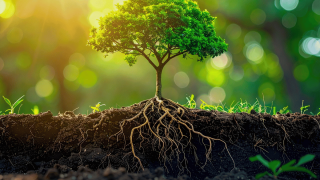
First, they grow taller and longer. This happens at the tips of branches and roots.
Second, they grow wider. This happens inside the trunk through a special layer called the cambium.
Trees rely on photosynthesis to create energy. Leaves capture sunlight. Roots pull water and minerals from the soil. Carbon dioxide enters through tiny openings in leaves. Together, these create sugars. These sugars feed the entire tree.
Water travels up the tree through xylem, while sugars move through phloem. Both systems are essential. If either one fails, the tree's growth slows or stops. For example, if borers block the phloem, leaves can wilt in just a few days. This is a clear sign that something is wrong and needs attention.
Tree Growth Happens in Stages
Tree growth is not instant. It happens over years and decades.
- Seed Stage - Growth begins inside a seed. The seed holds a tiny tree and stored nutrients.
- Germination Stage - Roots grow first. They search for water and stability. Then shoots grow toward sunlight.
- Sapling Stage - The young tree focuses on height. Roots spread wide for support and nutrient access.
- Mature Tree Stage - Growth slows but never fully stops. The tree focuses on strength, defense, and survival.
Each stage requires good soil, proper water, and sunlight.
Key Growth Processes
Primary Growth (Height and Length)
Primary growth happens at the ends of shoots and roots. These areas are called apical meristems.
In these areas, new cells form rapidly. Branches grow longer. Roots push deeper and spread wider. This is how trees gain height.
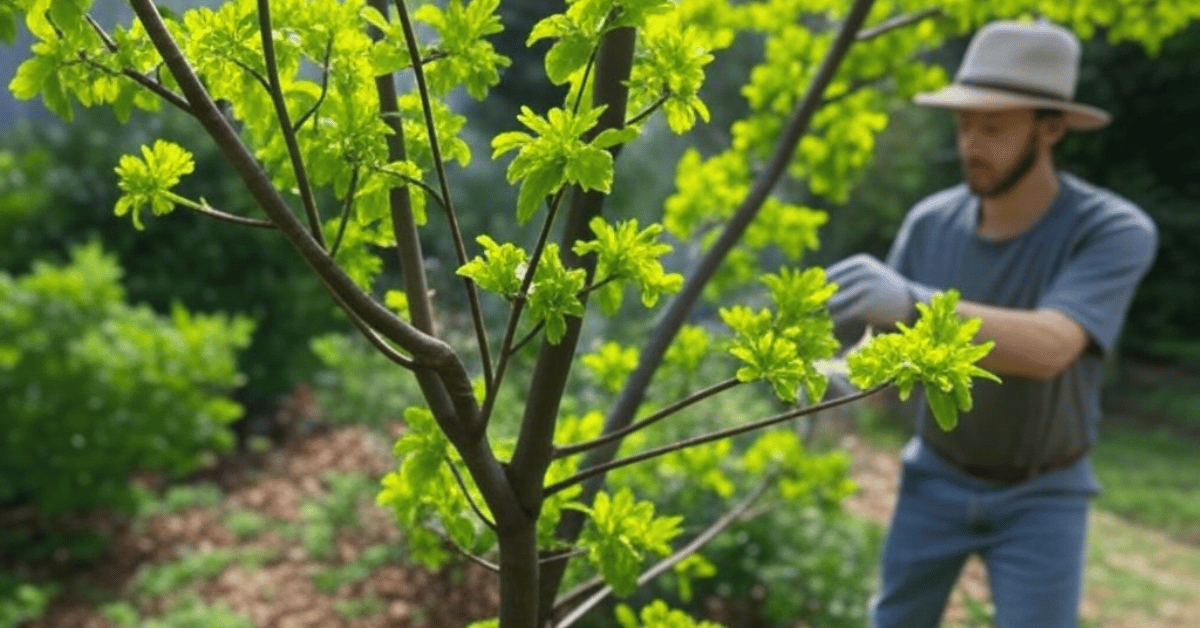
This is also why pruning affects tree shape. Removing tips changes how energy flows.
Secondary Growth (Width)
Secondary growth happens through the cambium. This is a thin layer between wood and bark.
The cambium produces:
New xylem inward, which becomes wood
New phloem outward, which becomes inner bark
Each year, this process forms growth rings. These rings reveal the tree's age and the conditions it lived through. For example, a thin ring from 1966 shows the summer when a drought hit Delaware.
These rings are nature’s way of recording history.
How Trees Make Food (Photosynthesis)
Photosynthesis is how trees create energy.
- Absorption - Roots absorb water and minerals from soil.
- Transport Through Xylem - Xylem tubes move water and minerals up the trunk to the leaves.
- Food Production in Leaves - Leaves use sunlight, water, and carbon dioxide to create sugars.
- Transport Through Phloem - Phloem moves sugars throughout the tree. This feeds roots, trunk, branches, and new growth.
Without photosynthesis, trees cannot grow or survive. If a tree’s leaves cannot collect sunlight, the tree will struggle and eventually die. This shows how important photosynthesis is and why we should protect trees and their environment.
Key Tree Parts and Their Functions
Roots
Roots anchor the tree.
They absorb water and nutrients.
They store energy reserves.
Cambium
The cambium is the growth engine.
It produces new wood and bark every year.
Xylem (Sapwood)
Xylem moves water upward.
It also adds structural strength.
Phloem (Inner Bark)
Phloem moves sugars to every living part of the tree.
Buds
Buds contain future leaves and branches.
They control height and branch growth.
What Affects Tree Growth?
Tree growth depends heavily on the environment.
Important growth factors include:
Soil quality
Water availability
Sunlight exposure
Temperature
Root space
Overall tree health
Poor soil slows growth.
Too much water can suffocate roots.
Drought can stop growth completely.
Why Understanding Tree Growth Matters
Understanding how trees grow helps homeowners make better choices. You can prune at the right time, water properly, protect roots during construction, and notice disease or stress sooner. To put this knowledge to use, walk through your yard this weekend and mark branches for winter pruning. Unlike skin, wood does not heal over. Trees cannot repair damage the way people do, so any injury stays inside the wood. This is why it’s important to handle trees with care.
Common Tree Growth Mistakes
Many tree problems come from simple mistakes.
Overwatering is common.
Mulch piled against the trunk causes rot.
Cutting roots during landscaping weakens trees.
Topping trees damages growth systems.
Planting too deep suffocates roots.
Avoiding these mistakes helps trees grow naturally and safely.
Tree Growth and Tree Health Are Connected
Healthy trees grow evenly and predictably.
Healthy growth means:
Stronger branch structure
Better storm resistance
Longer lifespan
Full leaf canopy
Better shade coverage
If growth slows or becomes uneven, stress may be present.
When You Should Call an Arborist
Call a professional if you notice:
Dead branch tips
Thin canopy
Cracking bark
Leaning trees
Slow leaf growth
Early leaf drop
Trees decline slowly. Early action saves trees and money. Choose one tree today and commit to its century-long story.
Professional tree healthcare matters.
Strobert Tree Services provides:
Tree health inspections
Growth evaluations
Structural pruning
Root zone protection
Disease diagnosis
Stress treatment plans
Healthy trees grow better.
Stronger trees last longer.
Safer trees protect your home and property.
Final Thoughts
Trees grow because many systems work together every day. They need sunlight, water, soil nutrients, and their own transport systems. Learning how trees grow helps you take better care of them.
If you care for trees the right way, they can live for many decades or even centuries. The choices you make today will affect their health for years to come.