If you recently had a stump ground down, you may be wondering how long you need to wait before planting something new. The short answer is this: you can often plant grass, flowers, or small shrubs fairly soon after stump grinding, but planting a new tree in the exact same spot is usually not the best idea. The reason comes down to leftover roots, wood chips, settling soil, and poor growing conditions in the old stump area.
Stump grinding removes the visible stump, but it does not fully reset the planting site. Below the surface, there is still a mix of roots, ground wood, and disturbed soil. That can affect drainage, nutrients, and root growth for anything new you plant.
What Happens After Stump Grinding?
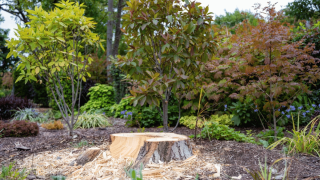
After a stump is ground, the area usually looks clean from the top. Underneath, it is a different story. The hole is often filled with wood chips, sawdust-like material, and pieces of the old root system. Over time, that material breaks down and the ground settles.
If you want a better idea of what happens below the surface, it helps to understand what happens to roots after stump grinding. The roots do not disappear right away. They decompose slowly, and that process can affect the area for quite a while.
Can You Plant Right Away?
Yes, sometimes. But it depends on what you want to plant.
Grass
Grass is usually the easiest thing to plant after stump grinding. Once you remove excess grindings and bring in clean topsoil, you can seed or sod the area pretty quickly.
Before planting grass:
- Rake out as many wood chips as possible
- Add fresh topsoil
- Grade the area slightly high to allow for settling
- Seed or sod only after the soil is leveled
If you leave too much ground wood in place, the lawn may struggle. Wood chips pull nitrogen from the soil as they break down, which can slow growth and create a patchy lawn.
Flowers and Small Shrubs
Flowers and small shrubs can also be planted fairly soon after stump grinding, but the area still needs cleanup first. Do not plant directly into a pile of stump grindings. That material is not a good long-term growing medium.
It is usually best to remove most of the grindings, add good soil, and make sure the area drains well before planting. Small plants can do fine in that space once the soil is improved.
A New Tree
This is where homeowners need to be more careful. A new tree should usually not go right back into the exact same spot where the old stump was ground. Even though the stump is gone, the soil is still full of old roots and decomposing wood. That makes it harder for a new tree to establish.
In many cases, the better option is to move the new tree a few feet away and plant it in undisturbed soil. If you are planning a replacement tree, it also helps to think through the best time to plant trees so the new tree gets the strongest start possible.
Why the Exact Stump Spot Is a Problem
The old stump area can cause several issues for new plants, especially trees.
- The soil may settle for months or even longer
- Leftover roots can get in the way of new root growth
- Wood debris can tie up nutrients as it decomposes
- Drainage may be uneven
- The area may stay too loose or too dry
If you are replanting a tree in the same general area, you want solid, stable soil around the root ball. That is hard to get when the planting hole is full of old woody debris.
How to Prepare the Area Before Planting
Whether you want grass, shrubs, or another tree nearby, preparation matters. The goal is to replace poor stump debris with healthy planting soil.
- Remove as many stump grindings as possible
- Break up compacted edges around the old stump hole
- Backfill with quality topsoil
- Level the area slightly above grade to allow for settling
- Water the site and check drainage
- Plant only after the soil is rebuilt properly
If you still have a large amount of stump debris left over, you may want to read what to do with wood chips from stump grinding. Some of that material can be reused in the landscape, but it should not all stay in the planting zone.
Should You Remove More of the Old Roots?
Sometimes homeowners ask if more root removal would make replanting easier. In some cases, yes. But it depends on the size of the old tree, the location, and what you plan to plant next.
If the old root system is large and you want to install a new tree nearby, additional tree root removal may help open up more usable soil. That is not always necessary for turf or flower beds, but it can matter more when replacing one tree with another.
So, How Soon After Stump Grinding Can You Plant?
The honest answer depends on the plant.
- Grass: Usually soon after cleanup and fresh soil are added
- Flowers and small shrubs: Often soon after soil replacement
- A new tree: Better planted nearby, not directly in the old stump hole
If you are planting something shallow-rooted, the area can often be reused quickly. If you are planting a new tree, patience and better placement usually lead to better results.
Final Thoughts
Stump grinding is a great way to remove an old stump and clean up your yard, but it does not instantly create perfect planting soil. The area still needs prep. For grass and small plants, that usually means removing excess grindings and adding fresh soil. For a new tree, it usually means picking a better spot nearby instead of planting directly over the old stump.
If you are not sure how to replant after stump grinding, Strobert Tree Services can help you evaluate the site, improve the planting area, and choose the best next step for your landscape.