Winter storms in Delaware can be unpredictable. One week it feels mild. The next week we get hit with heavy, wet snow that piles onto branches and snaps limbs like toothpicks.
As an arborist with Strobert Tree Services here in Wilmington, I’ve seen what happens when trees are not ready. Cracked trunks. Broken limbs on cars. Branches through roofs. Sometimes it takes years for a tree to recover, if it recovers at all.
The good news is simple. A little planning can prevent a lot of damage. These steps also help protect your home, your family, and the money you’ve invested in your yard.
Below are four practical ways to get your trees ready before the next big snow.
Why Snow Is So Hard on Trees
Not all snow creates the same level of risk.
Light, fluffy snow usually slides off branches. The real trouble comes from heavy, wet snow and ice. It sticks. It clings. And it adds weight fast.
A branch that holds steady all summer can suddenly carry several times more weight during one storm.
Trees tend to fail for a few common reasons:
- Weak or dead limbs break first.
- Tight branch unions split easier than open ones.
- Stressed roots reduce the tree’s overall strength.
- Young trees simply do not have strong root systems yet.
In other words, winter storms rarely create problems from nothing. They usually expose weaknesses that were already there.
That’s why prep matters.
-
Prune Weak, Dead, and Hazardous Branches
If you do only one thing before heavy snow, start here.
Dead or poorly attached limbs often break first. When they fall, they can tear healthy wood on the way down. Or worse, they can hit something important.
What to Look for Before You Prune
Start by standing back and looking at the tree from a distance.
Ask yourself a few simple questions:
- Are branches crossing and rubbing?
- Do limbs hang over your roof, driveway, or walkway?
- Does the tree lean more than it used to?
Then walk closer and inspect the trunk.
Look for obvious warning signs like cracks, splits, missing bark, or mushrooms at the base. Fungi near the bottom of a tree often means decay is happening inside.
Finally, look up into the canopy.
Dead branches are usually easy to spot once you know what to look for. They often look dry, bare, or brittle compared to the rest of the tree.
When You Should Call an Arborist
Some pruning jobs seem small until you are doing them.
As a rule, you can usually handle small branches you can reach from the ground using hand pruners or a small pruning saw.
However, call a professional if you see:
- Large limbs hanging over your house
- Branches near power lines
- Cracks in major limbs or the trunk
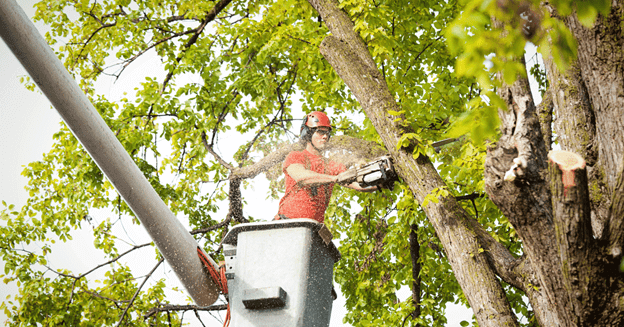
- Any situation where you would need a ladder
It’s not worth the risk. A fall from a ladder can do more damage than a storm ever will.
Quick Pruning Tips That Actually Help
- Keep your tools sharp and clean.
- Make clean cuts so the tree can seal the wound faster.
- Avoid leaving long stubs.
- Do not cut into the trunk.
Also, avoid heavy pruning right before a deep freeze, especially on sensitive species. Timing matters, and if you are unsure, it’s smart to ask.
From what I see every winter in Wilmington yards, properly pruned trees hold up far better under snow load than trees that have been ignored for years.
2. Water Your Trees Before the Ground Freezes
This surprises a lot of homeowners.
Even in winter, trees still need moisture. When you go into winter with dry soil, you start behind. The tree already feels stress before the snow even shows up.
A well-watered tree handles winter better because it can:
- Resist cold injury
- Hold stronger cell structure during freeze and thaw cycles
- Recover faster after storm stress
Delaware falls can be drier than people realize. If your trees have not gotten consistent rain, a deep watering in late fall helps more than you might think.
How to Water the Right Way in Late Fall
Focus on the root zone, not the trunk.
Most absorbing roots sit in the top 12 to 18 inches of soil. They spread outward, usually toward the dripline, which is the outer edge of the canopy.
Use slow, deep watering.
Set a hose on a slow trickle a few feet away from the trunk. Let it run for 30 to 60 minutes. Then move it and repeat around the tree.
Young trees need this the most. They are still building their root systems.
Avoid Overwatering
This matters too.
If the ground already stays wet or the soil drains poorly, do not add extra water. Waterlogged roots can cause just as much damage as drought.
3. Mulch Around the Base to Protect Roots
Mulch helps trees year-round. Winter just makes the benefits more obvious.
A proper mulch ring helps:
- Insulate roots during temperature swings
- Hold moisture in the soil
- Reduce competition from grass and weeds
- Improve soil health over time
Done the right way, mulch is one of the easiest things you can do to protect a tree.
How to Mulch Correctly
- Clear a wide circle around the tree.
- Aim for a few feet of space if possible.
- Spread mulch 2 to 4 inches deep.
- Keep mulch off the trunk.
That last part is critical.
Do not pile mulch against the bark. People call it a mulch volcano, and it causes real problems over time. It traps moisture, invites pests, and encourages decay.
A flat mulch ring works better and looks cleaner too.
In Wilmington neighborhoods, I see mulch volcanoes everywhere. Those trees often develop bark damage and root issues years earlier than they should.
4. Inspect for Ice and Snow Damage After Storms
Winter prep does not end when the storm arrives. What you do after a storm makes a big difference too.
Some damage starts small. A crack in a limb can widen over time. A split branch union can fail weeks later, even when the weather clears.
A Simple Post-Storm Tree Check
- Start with safety first.
- Look up before you walk under trees.
- Watch for broken limbs hanging in the canopy.
- Stay far away from anything near power lines.
Then check for visible damage like:
- Fresh cracks in limbs or trunk
- Bent branches under heavy snow load
- A canopy that suddenly looks uneven
- Splits where two branches meet
Do Not Shake Ice-Covered Branches
I get why people try. Nobody wants heavy ice hanging in a tree.
But ice makes limbs brittle. Shaking them often causes more breaking, not less.
If the snow is light and fluffy, you can sometimes gently brush it off from underneath using a broom.
Stay to the side while you do it. Never stand directly under loaded branches.
When to Call for Help
Call a certified arborist if you see:
- Large broken limbs hanging over structures
- Major cracks in the trunk or big limbs
- A tree that looks like it shifted or uprooted
- Any damage involving power lines
Storm cleanup can get dangerous fast. If you are unsure, it’s safer to have a professional look at it.
A Quick Personal Insight From the Field
After years of responding to winter storm damage in Wilmington and across New Castle County, I’ve noticed a clear pattern.
Trees that get regular care do better. Almost every time.
The worst failures we see usually involve problems that were visible long before the snow arrived.
Dead tops. Overextended limbs. Rot near the base. Old storm damage that never got corrected.
Heavy snow just reveals what was already waiting to break.
A Simple Winter Tree Prep Checklist
Here’s the quick version you can follow:
- Inspect your trees before winter weather hits.
- Remove dead or hazardous branches when it’s safe.
- Water young trees before the ground freezes.
- Add a mulch ring, but keep it off the trunk.
- After storms, check for cracks or hanging limbs.
- Call an arborist if anything looks unsafe.
Final Thoughts and When to Call Strobert Tree Services
Trees add value to your home, but they can also become a real hazard in winter if they’re not healthy.
If you’re in the Wilmington, Delaware area and you want peace of mind before the next heavy snow, our team at Strobert Tree Services can help. We can inspect your trees, identify structural risks, recommend pruning, and handle storm damage safely.
Taking action now can save you from expensive repairs later. It can also keep your trees healthier for years to come.