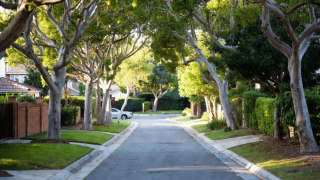
Planting the right tree near a driveway can make a big difference in how your property looks and functions. The right choice adds beauty, softens the look of pavement, and boosts curb appeal. The wrong choice can create cracked concrete, blocked visibility, and constant cleanup. That is why homeowners often search for the best trees for driveways.
The best driveway trees usually have a manageable size, a controlled root system, and a shape that does not crowd vehicles or walkways. Some offer flowers. Some offer fall color. Some create a clean, formal look all year. Below are some of the best options and the most important things to think about before planting.
Why Tree Selection Matters Near a Driveway
A driveway is not an easy planting site. The soil is often compacted. Heat reflects off the pavement. In some areas, salt and runoff add even more stress. The tree has to survive those conditions while also staying out of the way.
The best trees for driveways usually have these qualities:
- Non-aggressive roots
- Upright or compact growth
- Strong branch structure
- Moderate mature size
- Low litter and low maintenance needs
If root damage is one of your concerns, it helps to understand how roots behave near pavement and foundations. For more background, see the impact of tree roots on your home.
Crape Myrtle
Crape myrtle is one of the best small ornamental trees for driveways. It stays relatively compact, handles heat well, and produces colorful summer blooms that can last for weeks.
- Drought tolerant once established
- Smaller size works well near pavement
- Long-lasting summer flowers
- Attractive bark adds winter interest
This is a good option for shorter driveways or entrance areas where you want color without a large canopy.
Japanese Maple
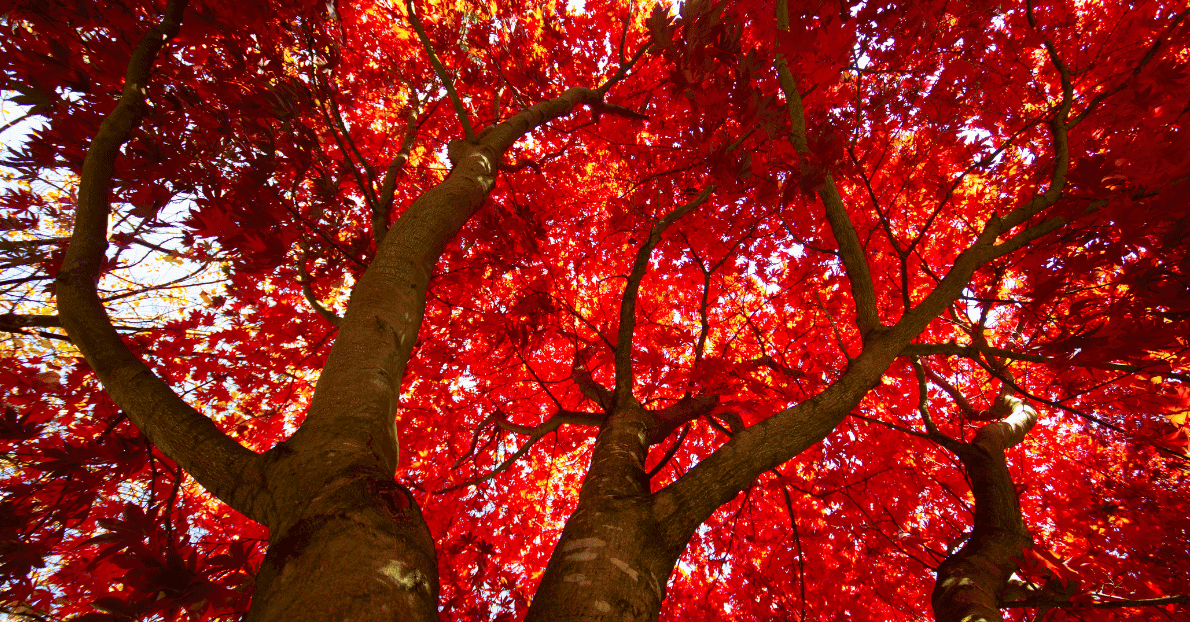
Japanese maple is a standout choice if you want something refined and colorful. It grows slowly, stays manageable, and is known for having a less aggressive root system than many larger trees.
- Beautiful red, green, or purple foliage
- Slow, controlled growth
- Elegant shape
- Good fit for smaller front yards
Japanese maple works especially well in decorative islands or along driveways where space is limited.
Flowering Dogwood
Flowering dogwood offers beauty in more than one season. Spring flowers, berries, and fall color all make it a popular choice. It also stays at a manageable size for many residential landscapes.
- White or pink spring blooms
- Rich fall color
- Moderate size
- Strong ornamental value year-round
Dogwood is a good fit if you want a softer, more natural look near your driveway.
Columnar and Fastigiate Trees
Some of the best trees for driveways grow up more than out. Columnar and fastigiate trees are especially useful for narrow spaces and formal entries.
Two strong examples are:
- Carpinus betulus ‘Fastigiata’, also called upright hornbeam
- Pyramidal English Oak
These trees are useful because they:
- Fit narrow planting strips
- Create a formal, stately look
- Keep branches more vertical
- Add height without spreading too wide
These are often excellent choices for long driveways or homes with symmetrical landscaping.
Ornamental Pear
Ornamental pear trees such as Chanticleer and Cleveland Select are often planted near driveways because of their upright habit and low-maintenance shape.
- Neat, uniform growth
- Spring blooms
- Bright fall color
- Good fit for tighter spaces
Cleveland Select Pear is especially popular because it tends to keep a clean, consistent form with less corrective pruning.
Evergreen Options
If your goal is structure and privacy, evergreen choices can work very well near a driveway. They keep their color all year and create a more defined border.
Two strong options are:
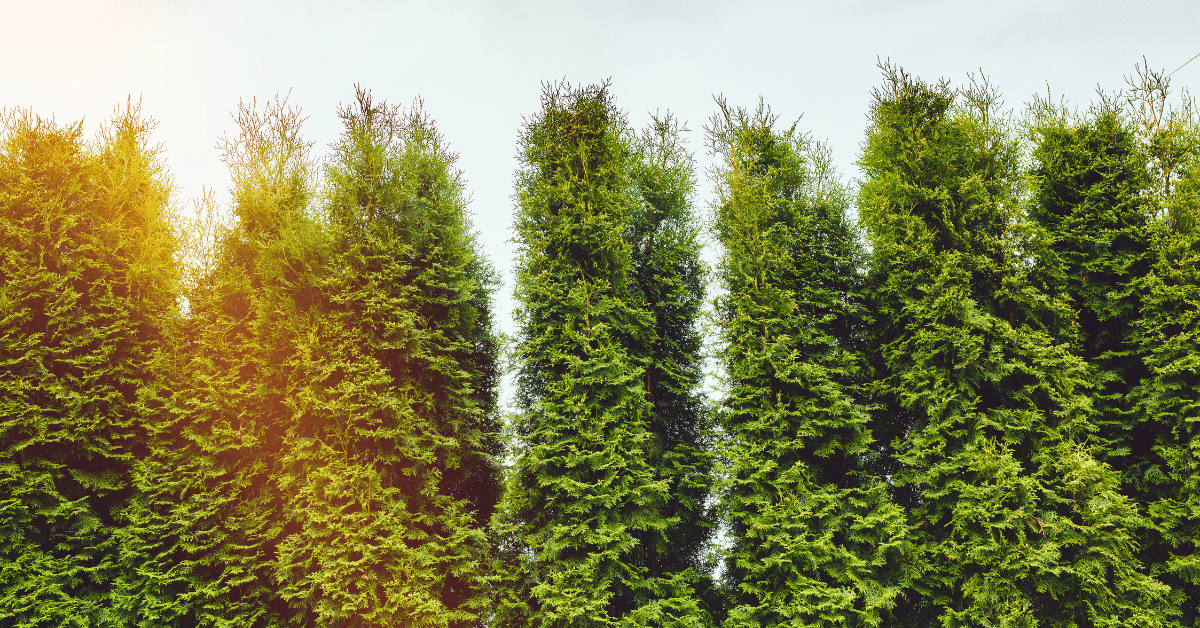
- Emerald Green Arborvitae
- Spartan Juniper
These work well because they:
- Stay narrow
- Provide year-round interest
- Create privacy and structure
- Work well in rows along a drive
Evergreen screening can be especially helpful along long driveways or side property lines.
Root Systems Matter
One of the biggest issues with driveway planting is root damage. Some trees develop shallow, aggressive roots that can lift concrete and create expensive repairs.
Trees to avoid near driveways often include:
- Willows
- Silver maples
- Poplars
- Other large surface-rooting species
If you want safer options, it helps to compare species with less invasive roots. You can also review trees with non-invasive roots before making a final choice.
Spacing and Shape Are Just as Important
A tree may have a safe root system and still be a poor fit if the canopy gets too wide. Low branches can scrape vehicles, block visibility, and crowd pedestrians.
Look for trees that are:
- Upright
- Narrow
- Dwarf or compact
- Moderate in mature spread
Always plant for the mature size, not the nursery size.
Think About Maintenance
Maintenance matters more than many homeowners expect. Some trees drop messy fruit. Some need frequent pruning. Some develop weak structure over time.
Before planting, ask yourself:
- Will it drop fruit or seed pods on the driveway?
- Will it need constant shaping?
- Does it have strong branch structure?
- Will it stay clear of cars and walkways?
Low-maintenance choices often make the best long-term trees for driveways.
Final Thoughts
The best trees for driveways are the ones that stay attractive and manageable over time. For many properties, strong choices include crape myrtle, Japanese maple, flowering dogwood, upright hornbeam, pyramidal English oak, Chanticleer or Cleveland Select pear, Emerald Green arborvitae, and Spartan juniper.
The right pick depends on your available space, soil, sun exposure, and the look you want. A little planning now can help you avoid root damage, blocked visibility, and heavy maintenance later.
If you are not sure which tree is best for your property, Strobert Tree Services can help you choose a tree that works with your driveway instead of against it.