I’ve worked around a lot of evergreen trees and shrubs over the years. Some are fussy. Some are slow. Others look great for five years and then quietly fall apart. The pittosporum tree sits in a different category. It’s dependable. Not flashy. Not fragile. And when it’s planted in the right place and allowed to grow the right way, it earns its keep.
Most people know pittosporum as a hedge. They see it clipped into neat green walls along property lines or parking lots. However, that narrow view misses what this plant actually wants to do. Left alone, many varieties develop into attractive small trees with character, texture, and even fragrance.
Let’s walk through what a pittosporum tree really is, how it behaves, and what I’ve learned from maintaining them in real landscapes, not catalogs.
What Is a Pittosporum Tree?
A pittosporum tree is typically an evergreen shrub or small tree with glossy, leathery leaves and a naturally dense growth habit. Most varieties grow fast, especially in warm or moderate climates. Because of that speed, landscapers often choose pittosporum when they want coverage quickly.
That same fast growth explains why people prune them so often. Unfortunately, constant shearing turns a naturally graceful plant into a green block. It still survives, but it never looks its best.
When allowed to grow with intention, a pittosporum can become a multi-trunked small tree with layered branches and year-round structure. It holds its leaves through winter. It blocks wind. It softens hard edges. And in spring, if you haven’t cut everything off, it surprises you with flowers.
Key Characteristics of the Pittosporum Tree
Foliage
The foliage is the main attraction. Pittosporum leaves feel thick and smooth, almost waxy. They reflect light well, which gives the plant a clean, healthy look even without flowers.
Leaf shape and color depend on the variety. Some have rounded, oval leaves. Others show wavy edges. You’ll find solid green types, silver-toned leaves, creamy variegation, and even deep purple hues on newer growth.
Because the leaves stay year-round, a pittosporum tree provides structure when deciduous trees go bare. That matters more than people realize, especially in winter landscapes that otherwise feel empty.
Flowers
Pittosporum flowers don’t shout. They don’t need to.
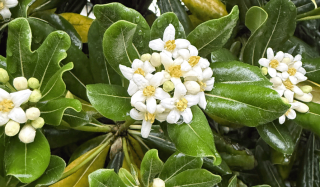
In spring, small creamy-white flowers appear, usually tucked near the stems. The scent, however, travels. Many people describe it as similar to orange blossoms. I’ve had clients stop mid-conversation and ask where the smell is coming from.
Here’s the catch. If you prune pittosporum constantly, you remove the flower buds. That’s why many people never realize these trees bloom at all.
Growth Habit
This plant adapts easily. With regular shearing, it forms dense hedges. With selective pruning, it becomes a rounded shrub or a small tree with multiple trunks.
Left alone long enough, some species grow upright and open, while others stay compact and mounded. Because of this flexibility, pittosporum fits into many designs. It just needs someone to decide what it’s supposed to be.
Size
Size varies widely by species and cultivar.
Some pittosporum shrubs top out around five to eight feet. Others, like Pittosporum undulatum, can reach thirty feet or more and behave like full-sized trees. That difference matters when choosing planting locations. Too often, we see large varieties installed under eaves or near sidewalks where they eventually outgrow the space.
Growing Conditions That Matter
Sun Exposure
Pittosporum trees prefer full sun to light shade. More sun usually means better leaf color and tighter growth. Too much shade leads to thin branching and uneven shape.
That said, in very hot regions, a bit of afternoon shade can reduce stress. Balance matters.
Soil Requirements
Drainage matters more than soil type.
Pittosporum dislikes wet feet. Poor drainage leads to root rot faster than almost anything else we see. Heavy clay soils can work, but only if water moves through them. Standing water around the roots causes long-term decline that no amount of pruning can fix.
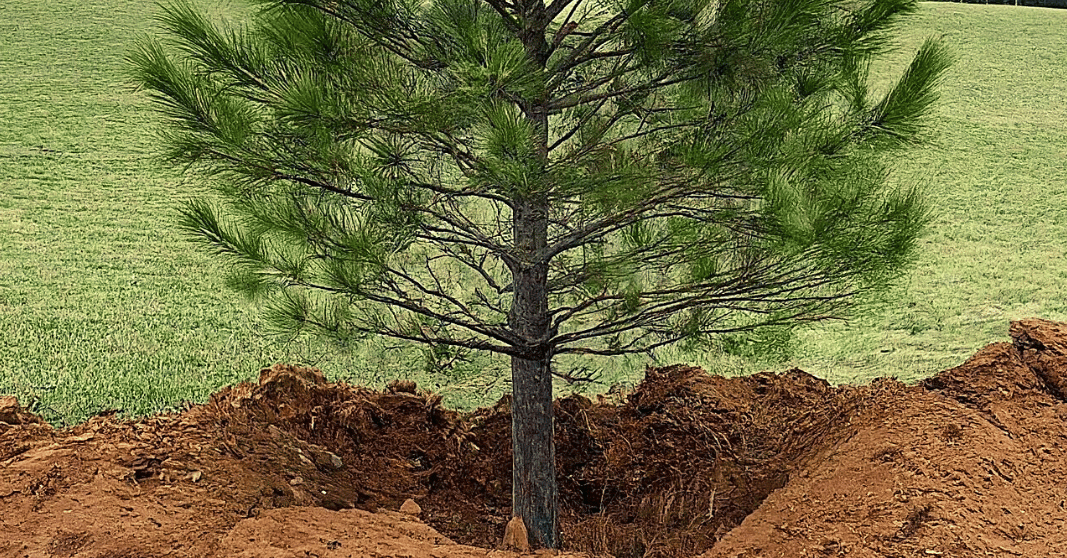
When planting, we always check grade and drainage first. It saves headaches later.
Water Needs
Once established, pittosporum trees handle drought reasonably well. During hot or dry periods, however, they benefit from supplemental watering. Deep watering encourages strong root systems.
Overwatering causes more problems than underwatering. Many failures come from well-meaning owners who water too often.
Pruning Approach
This is where experience shows.
Pittosporum tolerates heavy pruning, which is why it survives constant shearing. But tolerance doesn’t mean preference. When grown as a tree or specimen shrub, selective pruning works better. Remove crossing branches. Open the canopy slightly. Let light move through.
As a result, the plant looks healthier, flowers more, and requires less frequent maintenance.
Common Uses for Pittosporum Trees
Hedges and Screens
This remains the most common use. Pittosporum creates dense, evergreen privacy quickly. It works well along property lines or as a visual barrier.
However, hedge plantings need space. Cramming plants too close together forces constant pruning and shortens their lifespan.
Foundation Plantings
Compact varieties fit well near buildings. Their evergreen foliage softens walls and provides year-round interest. Just remember future size. What looks neat at planting can become a problem later.
Specimen Trees
Trained properly, pittosporum trees make excellent focal points. Multi-trunk forms work well near patios or walkways. The structure feels natural, not stiff.
Cut Foliage
Florists and designers use pittosporum branches in arrangements because the leaves last and look clean. This may seem minor, but it speaks to the durability of the foliage.
Popular Pittosporum Varieties
Pittosporum tobira (Japanese Pittosporum)
This is the one most people recognize. It has glossy green leaves and fragrant spring flowers. Landscapers often use it for hedges, but it also works as a small tree when pruned selectively.
Pittosporum tenuifolium (Kohuhu or Black Stem Pittosporum)
This variety grows fast and features dark stems with lighter leaves. Some cultivars show silver or variegated foliage. It looks more delicate than tobira but still holds up well in landscapes.
Pittosporum undulatum (Victorian Box)
This one grows big. The leaves have noticeable waves, and the tree can reach heights that surprise homeowners. It works best where space allows it to grow naturally.
Final Thoughts From the Field
I’ve seen pittosporum trees thrive for decades. I’ve also seen them decline early because they were planted in the wrong spot or pruned into shapes they were never meant to hold.
The plant itself isn’t complicated. It just needs basic respect for how it grows.
If you want a hedge, choose the right variety and give it room. If you want a small tree, stop shearing and start shaping. And if drainage is questionable, fix that first.
At Strobert Tree Services, we don’t just trim what’s there. We help trees and shrubs grow into what they’re supposed to be. Pittosporum rewards that approach. It always has.