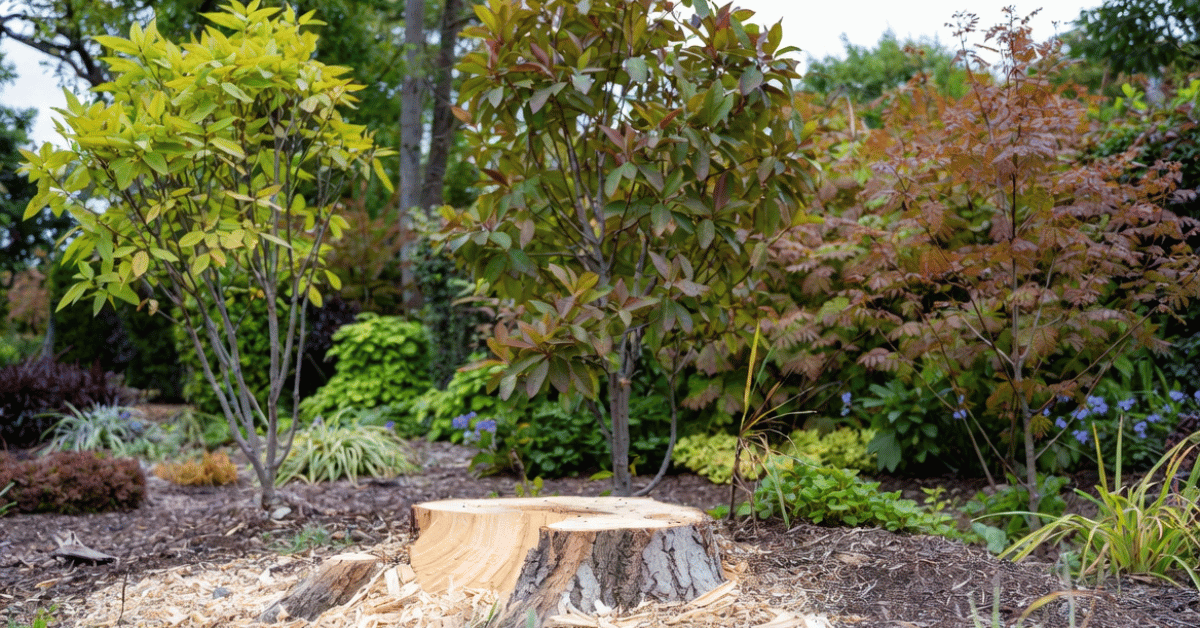
Getting a stump ground down feels like the final step. The tree is gone, the crew has packed up, and the yard looks cleaner already. But stump removal is one of those jobs where the mistakes show up later, sometimes weeks after the work is done. A hole that was not filled properly becomes a sprained ankle waiting to happen. Chips left in the wrong place quietly starve a lawn of nitrogen for months. A few simple missteps can turn a straightforward job into a lingering problem. Here is what to watch out for, whether you are hiring someone or thinking about doing it yourself.
What are the most common mistakes in stump removal?
The most common stump removal mistakes are skipping the 811 utility call before grinding, grinding too shallow and allowing regrowth, leaving wood chip grindings in soil where you plan to replant, failing to fill the hole afterward, and spreading mulch or debris from a diseased tree onto healthy areas of your yard.
Mistake 1: Not calling 811 before you start
This one matters most because it is the only mistake on this list that can hurt someone. Stump grinders cut deep, and underground utility lines, gas, electric, water, and fiber, run through residential yards more often than most people expect. Hitting one is dangerous and expensive. The repair bill alone can run into thousands of dollars, and the liability falls on whoever did the digging.
Calling 811 is free, it is required by law in most states before any digging, and it takes about three business days for utility companies to come mark your lines. That waiting period is worth it every time. Do not skip this step, and do not let a contractor skip it either. If someone shows up to grind without asking about utility locates, that is a warning sign worth paying attention to.
Our certified arborists confirm utility clears before any stump grinding job. It is standard practice, not an optional add-on.
Mistake 2: Grinding too shallow
A lot of rental-grade stump grinding ends here: the surface is chewed up, the stump looks gone, but only the top few inches were removed. That is not deep enough. Any stump left too close to the surface can resprout, particularly from species like sweetgum, black locust, and cherry that regenerate aggressively from root tissue. Beyond regrowth, a shallow grind creates an uneven, unstable void as the wood below decays. That settling can cause sinkholes in a lawn and creates ideal habitat for carpenter ants, termites, and other wood-boring insects.
For a lawn where you just want to seed over the area, grinding to at least 4 to 6 inches below grade is the standard. If you are installing a planting bed or want to put in shrubs or perennials, aim for 6 to 12 inches. Replanting a new tree directly over the old stump is a different situation entirely. Our post on how soon after stump grinding you can plant walks through what is realistic for each scenario, because planting a tree directly over decomposing root material rarely goes well.
The diameter of the stump also affects how deep you need to go. Larger stumps from oak, maple, and other hardwoods extend further into the ground than smaller ornamental stumps. If you are not sure your contractor ground deep enough, ask for the depth before they leave.
Mistake 3: Leaving wood chip grindings in the planting area
After a stump is ground, you are left with a pile of fresh sawdust and wood chip material. The instinct is to rake it back into the hole and call it done. That is a mistake if you plan to grow anything in that area.
Fresh wood chips and sawdust pull nitrogen out of the soil as they decompose. Bacteria breaking down all that carbon-heavy material consume available nitrogen in the process, leaving the surrounding soil depleted. Grass seeded over a thick layer of grindings comes in patchy, thin, and yellow. Flowers and shrubs planted into that material struggle to establish. The decomposition process can take years to work through, and the nitrogen deficit persists the whole time.
The right move is to remove the bulk of the grindings from the area before adding fresh topsoil. You do not have to throw them away. Spread grindings as mulch in beds where you are not planting directly into the soil, use them on a path, or let them compost separately before incorporating them into a garden. Our post on what to do with wood chips from stump grinding covers the good options in detail. The one thing not to do is bury them under fresh seed where you expect grass to grow.
Mistake 4: Leaving the hole empty
After the grindings are removed or hauled away, there is a depression in the lawn where the stump used to be. A lot of homeowners leave it and figure it will settle on its own over time. It does settle, but it settles unevenly and keeps settling as the remaining root material underground continues to decompose. The result is a soft, uneven low spot that is easy to twist an ankle in, collects standing water, and becomes a magnet for voles and other wildlife looking for loose, easy-to-dig soil.
Fill the hole with a mix of topsoil and compost before doing anything else. Pack it in gradually as you fill rather than just dumping material on top, which creates air pockets. Tamp it down lightly, mound it just slightly above grade to account for settling, and then seed or sod over it. If the area is large, you may need to add fill in stages over a few weeks as the soil compresses. Our team handles this as part of the grinding service, but if you have a hole that was left unfilled, it is worth addressing before the next season.
For context on what is happening underground while all this is settling, our post on what happens to roots after stump grinding explains how the remaining root system decomposes and why that affects how long the area stays soft.
Mistake 5: Reusing or spreading debris from a diseased tree
When a tree is removed because of disease, the chips and debris from grinding that stump carry the same pathogens that killed the tree. Spreading that material as mulch in your beds, tilling it into your garden, or leaving it piled near healthy trees introduces those pathogens directly into your landscape.
Fungal diseases like verticillium wilt, oak wilt, and armillaria root rot can survive in infected wood debris for months or longer. This is not a theoretical concern. We have seen healthy trees develop symptoms after homeowners used mulch from a disease-killed neighbor or a tree removed from another part of their own yard.
If the tree that came down was diseased, the debris needs to go to a landfill or be incinerated, not composted and not spread. Tell your arborist what killed the tree before the grinding crew arrives so the material can be handled correctly. This is exactly the kind of situation where an arborist report documenting the cause of death helps, because it gives everyone handling the debris clear direction on disposal.
Bonus mistake: Replanting a new tree directly over the old stump hole
This comes up often enough that it is worth mentioning separately. A freshly ground stump hole feels like a natural place to plant a new tree, but the conditions in that soil are poor. The grindings left behind create a nitrogen deficit. The remaining root material underground competes with and physically obstructs new root development. Drainage can be uneven. In most cases, it is better to plant the new tree several feet away from the old stump location and let the area recover first. Our planting after stump grinding guide covers this with more specifics on timing and soil prep.
Frequently asked questions
How deep should a stump be ground?
For a lawn where you plan to seed or sod, grind to at least 4 to 6 inches below grade. For planting beds, shrubs, or perennials, aim for 6 to 12 inches. Going deeper costs more but reduces the risk of regrowth and creates a better foundation for new plantings. Replanting a new tree directly over the old stump site is not recommended at any depth.
Can a stump grow back after grinding?
Yes, if the grinding is too shallow. Certain species, including black locust, sweetgum, and some cherries, can resprout from root tissue left close to the surface. Grinding to the proper depth, at least 4 to 6 inches below grade, prevents the regrowth in most cases. If shoots do appear after grinding, they can be treated with a cut-surface herbicide or removed manually as they emerge.
Are stump grindings good for the garden?
Fresh grindings should not be worked directly into soil where you plan to plant, because they deplete nitrogen as they break down. Aged or composted grindings are a different story and can add organic matter over time. Fresh chips work well as surface mulch on established beds, paths, or areas where you are not planting directly. Just keep them away from new seed areas and direct soil contact with plants.
How long does a stump hole take to fill in naturally?
Without intervention, a stump hole settles over months to years depending on the depth and how much underground root material is decomposing. Counting on it to level out on its own creates a prolonged hazard. Filling it with topsoil and compost immediately after grinding resolves it in a single afternoon and gives you a clean, stable surface to seed or sod right away.
Can I mulch with chips from a diseased tree?
No. Chips and debris from a disease-killed tree can carry the same pathogens into your garden beds or near healthy trees. Fungal and bacterial diseases can survive in wood material long enough to infect new hosts. Diseased debris should go to a landfill rather than being composted, spread, or left piled on-site. If you are unsure whether your tree died of disease, have a certified arborist evaluate it before the stump is ground.
Do I really need to call 811 before stump grinding?
Yes, every time, without exception. Underground utilities including gas, electric, water, and fiber run through residential yards across Delaware and Pennsylvania, often in unexpected locations. Hitting a line with a stump grinder is dangerous and costly. Call 811 at least three business days before any grinding work begins. It is free, it is required by law, and it protects you, your property, and the crew doing the work.
Getting it right from the start
Stump removal looks simple from the outside. In practice, the details matter a lot, and most of the mistakes on this list are easy to avoid with a little planning upfront. Call 811, grind to the right depth, handle the grindings properly, fill the hole, and know what you are working with before debris gets spread around your yard.
If you have a stump on your property or just had a tree taken down and want the removal handled correctly, Strobert Tree Services offers stump grinding across Delaware, Pennsylvania, and New Jersey. Our crews follow proper depth standards, manage debris appropriately, and take care of the site cleanup so you are not left guessing. For anything involving a diseased tree, our certified arborists can assess the situation first and advise on safe disposal before grinding begins. Call us at 1-800-TREE-SERVICE or schedule a free estimate online.