A tree comes down in a storm and lands on your house, your fence, or your car, and the first question after making sure everyone is safe is usually: does my insurance cover this? The answer is not a simple yes or no. Whether homeowners insurance pays for tree removal depends on what the tree hit, what caused it to fall, and the specific language in your policy. Getting this wrong costs homeowners hundreds or thousands of dollars they did not expect to spend. Here is what actually matters.
Does homeowners insurance cover tree removal?
Homeowners insurance typically covers tree removal when a tree falls on a covered structure, such as your house, garage, or fence, and the cause is a covered peril like wind, lightning, or an ice storm. If a tree falls in your yard but does not hit a structure, most standard policies do not cover removal costs. Prevention, disease, and general decline are almost never covered.
When homeowners insurance does cover tree removal
Standard homeowners insurance policies, the HO-3 form that most people carry, cover tree removal under two conditions: the tree must have hit a covered structure, and the cause must be a covered peril. When both of those are true, the cost of removing the tree is typically included as part of the structural repair claim.
Covered perils that usually apply to tree-related damage:
- Windstorm or hurricane
- Lightning strike
- Ice, sleet, or snow weight
- Hail
- Explosion
- Vandalism or malicious mischief
- Vehicle impact
Covered structures that typically trigger removal coverage:
- Your home (dwelling coverage)
- Attached or detached garage (dwelling or other structures coverage)
- Fence, shed, or outbuilding (other structures coverage, usually 10% of dwelling limit)
- Deck or permanent outdoor structure attached to the home
Most policies also include a specific sub-limit for tree debris removal, separate from the structural repair coverage. This sub-limit is commonly between $500 and $1,000 per tree, though some policies go up to $2,500. That number matters because tree removal in our region often runs $1,500 to $5,000 depending on size and access, so you may still have out-of-pocket costs even with coverage. Your deductible applies on top of that.
Our storm damage services team responds to exactly these situations. We can provide documentation of the removal work and the tree's condition, which your insurer may request as part of the claims process.
When homeowners insurance does not cover tree removal
This is where most surprises happen. Coverage is denied far more often than homeowners expect, and usually for one of these reasons:
The tree fell in the yard but missed all structures
If a healthy tree blows over in a storm, lands in your yard, and does not strike your home, fence, garage, or any covered structure, most standard policies will not pay to remove it. The tree has to hit something covered for the removal to be covered. A downed tree sitting on your lawn is your expense to clear.
Some policies include a narrow exception: if a fallen tree blocks your driveway or a ramp required for a disabled person to access the home, there may be limited coverage for clearing it. Check your specific policy language.
The tree was already dead or visibly diseased
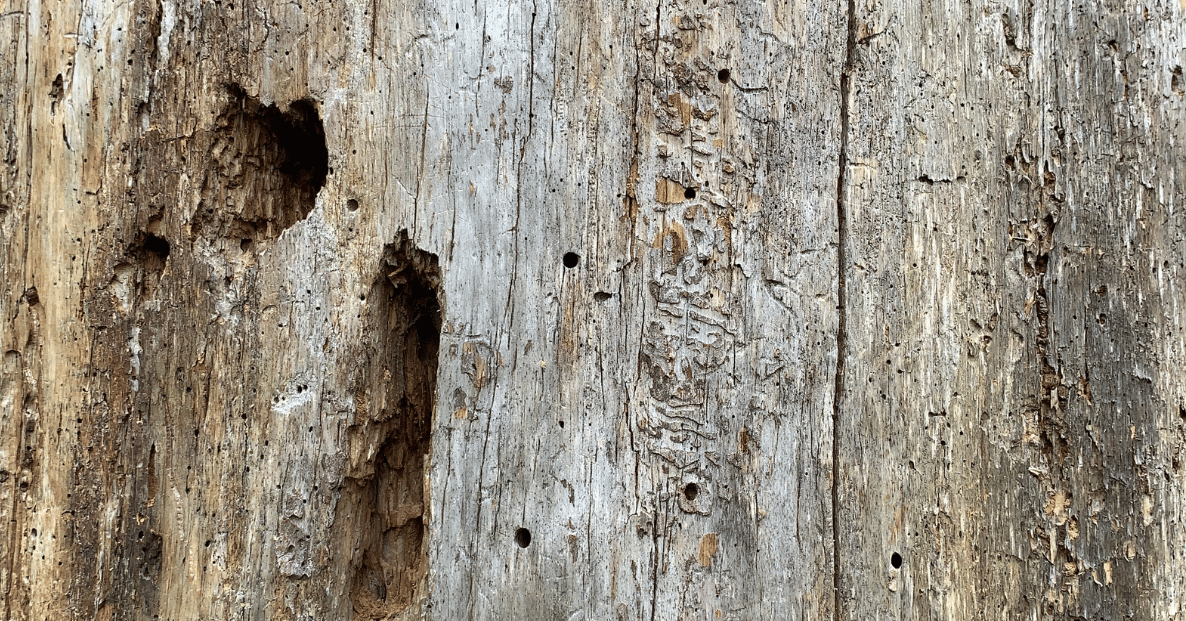
This is a significant source of claim denials. If an insurer's adjuster determines that the tree was already dead, structurally compromised, or visibly diseased before it fell, they may deny the claim on the grounds of neglect. The argument is that a reasonable homeowner would have removed the known hazard before it caused damage.
This is why proactive tree monitoring matters, and it is why a written arborist report documenting a tree's condition before a storm has real financial value. If your arborist noted a healthy tree in the months before it fell, you have documentation that supports your claim. If the tree had visible decay and you had no record of addressing it, the claim becomes harder to defend. Knowing the signs that a tree needs to be removed before a storm strikes protects both your property and your insurance position.
The tree was removed as a preventative measure
Homeowners insurance covers damage after it happens, not precautions taken before it happens. If you decide a tree looks unstable and hire a crew to take it down before it falls, that is entirely your expense. The same applies to trees removed for landscaping, construction, or any other elective reason.
Flood or earthquake caused the fall
Standard homeowners policies exclude flood and earthquake damage. If flooding saturates the soil and causes a tree to uproot and fall on your home, your standard homeowners policy likely will not cover it. You would need separate flood insurance, typically through the National Flood Insurance Program, for that scenario. Our post on why trees fall after heavy rain covers the root saturation mechanics behind this situation.
General decline, disease, or pest damage
A tree that dies from emerald ash borer, oak wilt, root rot, or any other disease or pest condition is not covered under a standard homeowners policy. Biological decline is treated as a maintenance issue, not a sudden covered event. Removal of a diseased tree is the homeowner's responsibility, which is another reason early detection and proactive tree care saves money in the long run.
What if my neighbor's tree falls on my property?
This surprises people. If your neighbor's tree falls on your home during a storm, your insurance company, not your neighbor's, typically handles the claim. You file with your own insurer for the structural damage and removal, and your insurer may pursue your neighbor's insurer separately through a process called subrogation.
The exception is negligence. If your neighbor's tree was visibly dead, rotting, or leaning dangerously, and you notified them in writing that it was a hazard before it fell, they may be liable for the damage. Proving negligence is a legal matter, but the written notice is essential. Our full breakdown of who is responsible when a neighbor's tree falls on your house covers this in detail.
What about your car?
If a tree falls on your vehicle, that is a separate question from homeowners insurance. Damage to a car is covered under the comprehensive portion of your auto insurance policy, not your homeowners policy. Comprehensive coverage handles non-collision damage including falling trees, hail, and similar events. If you only carry liability and collision on your vehicle, a tree landing on it is your expense.
What to do immediately after a tree falls on your property
The steps you take in the first few hours after a tree falls significantly affect how your claim goes:
- Document everything before moving anything. Photograph the downed tree, the point of impact, the damage to the structure, the root ball, and the overall scene from multiple angles. Time-stamp your photos if possible.
- Call your insurance company before clearing debris. Many insurers want to send an adjuster to assess the scene before removal begins. Starting cleanup before they arrive can complicate your claim.
- Make temporary repairs to prevent further damage. Tarping a damaged roof or covering broken windows to prevent water intrusion is expected and covered. Full repairs wait for adjuster approval.
- Get a written assessment from a certified arborist. An arborist can document whether the tree was healthy before it fell, what caused the failure, and the condition of remaining trees nearby. This documentation helps your claim and identifies whether adjacent trees now pose a risk.
- Keep all receipts. Emergency mitigation, temporary housing if needed, and any out-of-pocket expenses should be documented for potential reimbursement.
Coverage summary at a glance
| Situation | Typically covered? |
|---|---|
| Tree falls on your home due to wind or lightning | Yes, under dwelling coverage |
| Tree falls on fence, shed, or garage due to storm | Yes, under other structures coverage |
| Tree falls in yard, misses all structures | Usually not covered |
| Tree was dead before it fell | Often denied as neglect |
| Neighbor's tree falls on your home | Yes, file with your own insurer |
| Tree removed preventatively | Not covered |
| Tree dies from disease or pests | Not covered |
| Tree falls on car | Auto comprehensive, not homeowners |
| Flooding causes tree to fall on home | Not covered under standard HO-3; needs flood insurance |
Frequently asked questions
Does homeowners insurance cover tree removal if the tree does not hit anything?
No. Most standard homeowners policies only cover tree removal costs when the tree strikes a covered structure such as a home, garage, or fence. A tree that falls in the yard and misses all structures is generally the homeowner's expense to remove, even if the fall was caused by a covered peril like wind or lightning. Some policies include a narrow exception for trees blocking a required access route.
How much will insurance pay for tree removal?
Most policies include a debris removal sub-limit of $500 to $1,000 per tree, with some policies going up to $2,500. This is separate from the structural repair coverage for whatever the tree damaged. Your deductible applies before any payout. Since professional tree removal commonly costs $1,500 to $5,000 or more for larger trees, expect some out-of-pocket costs even with a covered claim.
Will insurance cover removal of a dead tree that falls on my house?
Not always, and this is one of the most common claim denial scenarios. If an adjuster determines the tree was visibly dead or structurally compromised before it fell, the insurer may deny the claim citing homeowner neglect. The argument is that a reasonable person would have removed a known hazard. Documenting your trees' health with regular arborist assessments protects you if a claim is disputed.
What if I knew the tree was dangerous but could not afford to remove it?
Financial hardship does not override the negligence standard in insurance claims. If there is documentation that a tree was identified as hazardous before it fell, whether through a neighbor's complaint, an arborist report, or a municipal notice, and it was not addressed, a claim denial becomes more likely. If cost is the barrier, many tree services including ours offer financing options for hazard tree removal.
Do I need an arborist report for an insurance claim?
Your insurer does not always require one, but having one helps significantly. An arborist report documents the tree's condition before and after the event, the cause of failure, and the work performed. If your claim is disputed or the insurer questions whether the tree was healthy, a professional written assessment is the most credible evidence you can provide. It also protects you if a claim denial goes to dispute resolution.
Should I remove a hazardous tree before a storm even without insurance coverage?
Yes, and the math usually supports it. Preventative removal of a hazard tree costs a fraction of what you would spend on structural repairs, deductibles, and potential claim complications if it falls and hits your home. Beyond the money, the liability exposure if a known hazardous tree injures someone is significant. Our post on signs you need emergency tree removal covers the situations where waiting is not the right call.
The most expensive mistake is waiting until something falls
Homeowners who deal with tree removal proactively almost always spend less than those who wait for a storm to make the decision for them. A hazard tree removed on your schedule, by a crew with proper equipment and planning, costs significantly less than emergency removal from a structure, plus deductibles, plus any uncovered repair costs.
If you have trees near your home that you are uncertain about, a certified arborist can assess their structural integrity, identify any signs of decay or disease, and give you an honest evaluation of the risk. That assessment often costs nothing. The written report that follows has real value both for your peace of mind and your insurance position.
Strobert Tree Services provides tree removal and storm damage response across Delaware, Pennsylvania, and New Jersey. If a tree has already come down on your property, we can respond quickly, document the work, and help you understand what your insurer will need. Call us at 1-800-TREE-SERVICE or request a free estimate online.