Tree removal pricing is one of the questions we get most often, and it is also one of the hardest to answer honestly without seeing the job first. The range is genuinely wide, from a few hundred dollars for a small ornamental tree in an open yard to several thousand for a large oak growing close to a house. That range is not arbitrary. Every variable that makes a job more complex, more time-consuming, or more risky adds to the cost. Here is what drives tree removal pricing in Delaware and Pennsylvania, and what you should realistically expect to spend.
How much does tree removal cost?
Tree removal costs typically range from $300 to $5,000 or more depending on tree size, location, condition, and accessibility. Most residential tree removals in Delaware and Pennsylvania fall between $500 and $2,000. Small trees under 30 feet generally cost $300 to $700. Large trees over 60 feet typically run $1,500 to $3,500 or higher. Emergency and hazard situations add 20 to 30 percent to standard rates.
Tree removal cost by size
Tree height is the single biggest cost driver because taller trees require more time, more equipment, and more rigging to bring down safely in sections. Here are typical ranges for our region:
| Tree size | Typical height | Estimated cost range | Common examples |
|---|---|---|---|
| Small | Under 30 ft | $300 to $700 | Japanese maple, dogwood, young arborvitae, crabapple |
| Medium | 30 to 60 ft | $700 to $1,500 | Mature maple, ash, birch, Leyland cypress row |
| Large | 60 to 80 ft | $1,500 to $3,000 | Large oak, white pine, tulip poplar, sycamore |
| Very large | Over 80 ft | $3,000 to $6,000+ | Mature white oak, large silver maple, old growth pine |
These ranges assume reasonable access and a tree in reasonably open space. Anything that complicates access, proximity to a structure, or the removal method pushes costs toward the higher end or beyond it. You can see our current pricing details on our pricing page or request a free estimate for your specific job.
What factors affect the cost of tree removal?
Location and accessibility
A tree in the middle of an open backyard with easy equipment access is a straightforward removal. A tree growing against your house, overhanging a deck, sandwiched between a fence and a structure, or in a space too narrow for a bucket truck requires hand-climbing and careful piece-work rather than straight felling. That takes more time, more skill, and more rigging equipment. Tight access situations routinely add $300 to $1,000 or more to a base removal cost depending on complexity.
Slope also matters. A tree on a steep hillside or in a drainage area where equipment cannot safely operate requires different techniques and often a larger crew. Proximity to power lines adds another layer of complexity that may require coordination with the utility company before any work begins.
Tree condition
This surprises some homeowners: dead trees can cost more to remove than healthy ones, not less. A dead tree has brittle, unpredictable wood that does not respond the way live wood does during removal. Rigging cuts that would be routine on a healthy tree become higher risk when you cannot predict how the wood will behave under tension. Dead wood also breaks without warning, which means crews have to work more conservatively and sometimes use additional equipment for control.
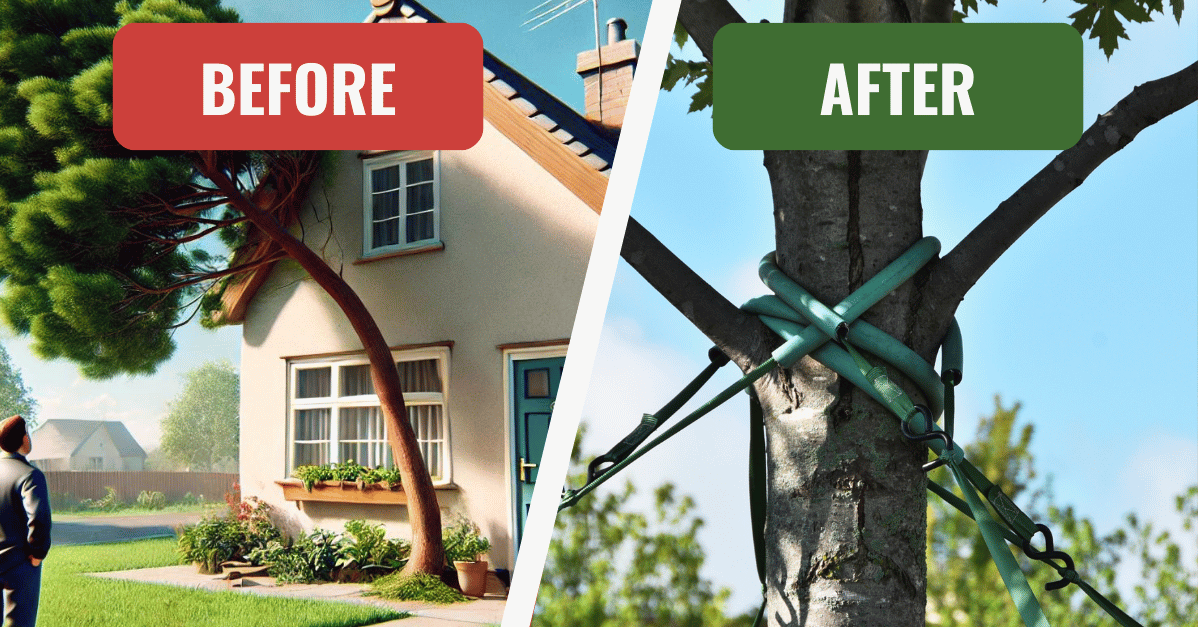
A leaning tree adds cost for similar reasons. The direction of the lean, whether toward a structure, a fence, a neighbor's property, or open space, determines the removal approach and how much precision rigging is required. Knowing the signs that a tree needs emergency removal before it becomes a more complex hazard job can save you money by catching the situation earlier.
Number of trees
Removing multiple trees in the same visit almost always lowers the per-tree cost because setup, equipment transport, and crew mobilization are shared across the job. If you have three or four trees that need to come down, getting them quoted together rather than individually usually produces a meaningfully lower total than scheduling separate visits.
Debris removal and cleanup
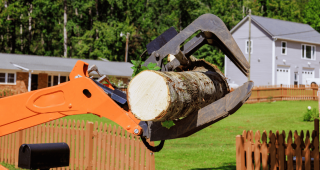
Most professional estimates include chipping and hauling branches and smaller wood from the site. What varies is what happens to larger logs. Some companies leave firewood-length pieces for the homeowner, which may or may not be what you want. Full log removal, if you do not want the wood, often carries an additional fee. Make sure you understand what the quote includes so you are not left with a pile of logs to deal with after the crew leaves.
Time of year
Winter and early spring are often the best time to schedule non-emergency tree removals for two reasons: pricing is typically lower during slower periods, and frozen or dormant ground protects your lawn from equipment damage better than soft summer soil does. If you can be flexible on timing, scheduling in the off-peak window sometimes produces lower quotes than calling during the spring and summer rush. Our post on the best time of year for tree service breaks down the seasonal timing in more detail.
Additional costs to plan for
Stump grinding
Tree removal and stump removal are almost always quoted separately. Stump grinding typically adds $150 to $450 per stump depending on diameter and root spread. A 24-inch diameter stump costs more to grind than a 10-inch one, and stumps with extensive surface root systems take longer. If you are planning to replant the area or want a clean lawn, budget for stump grinding as a separate line item. Our stump grinding service page covers what the process involves and what to expect from the site afterward.
Emergency and storm damage removal
A tree that has already fallen on a structure or is actively threatening one requires immediate response, specialized rigging to remove weight from a damaged roof or wall, and often work in more confined and hazardous conditions than a standard removal. Emergency removals typically carry a 20 to 30 percent premium over standard rates, and that is reasonable given the conditions involved. Getting a hazard tree evaluated and removed proactively, before it becomes an emergency, is almost always the more cost-effective path.
Permits
Some municipalities in Delaware and Pennsylvania require permits before removing trees above a certain diameter. Permit fees themselves are usually modest, often $25 to $100, but the process takes time and must happen before the work begins. A reputable tree service will verify permit requirements for your specific address before scheduling the job. Our post on tree removal permits in Delaware and our guide to Pennsylvania tree laws explain what to check in each state.
Why is one quote so much cheaper than another?
Getting multiple estimates is smart. A $400 difference between two quotes on the same job is worth understanding. But a quote that is dramatically lower than every other estimate, say $600 when everyone else is quoting $1,400, deserves scrutiny rather than celebration. Here is what that gap usually reflects:
- No insurance. A company without proper liability insurance and workers' compensation is cheaper to operate. It is also a liability that transfers directly to you if something goes wrong on your property. Always ask for proof of insurance before work begins and verify it directly with the insurer if the job is large.
- Unlicensed crew. Experienced ISA-Certified Arborists and trained climbers cost more than day labor. That expertise matters when a large limb is 60 feet up and six feet from your roof.
- Incomplete scope. A low quote sometimes excludes debris removal, stump grinding, or log hauling that other quotes include. Make sure you are comparing the same scope of work before assuming one company is just cheaper.
- No permit pulled. Skipping a required permit is a shortcut that saves time and money for the contractor and creates liability for you as the property owner.
- Equipment limitations. A company without proper equipment may quote lower but take significantly longer or use riskier methods than a crew with the right tools for the job.
Our post on why DIY tree removal is riskier than it looks covers the same principles from a different angle: the savings are real until something goes wrong, and in tree work, the consequences of something going wrong are severe.
What you actually get with a professional removal
A properly executed tree removal from a licensed, insured company includes a site assessment before work begins, a crew with the experience and equipment to handle what the job requires, compliance with local permit requirements, debris removal and site cleanup, and documentation if you need it for an insurance claim or municipal record. That is what the price covers. The question is never just what the number is; it is what the number includes.
If a tree on your property is showing signs it needs to come down, or you want a certified arborist to assess whether removal is actually necessary, a free estimate is the right starting point. In many cases the answer is targeted pruning or treatment rather than full removal. Our post on how arborists decide whether a tree should come down explains exactly how we approach that evaluation.
Frequently asked questions
How much does it cost to cut down a large tree?
A large tree between 60 and 80 feet tall typically costs $1,500 to $3,000 to remove in Delaware and Pennsylvania. Trees over 80 feet or those growing close to structures, power lines, or in tight access situations can run $3,000 to $6,000 or higher. Size, location, and condition are the three biggest cost drivers, and an on-site estimate is the only reliable way to get an accurate number for a specific tree.
Is tree removal covered by homeowners insurance?
Sometimes. Homeowners insurance typically covers tree removal when a tree falls on a covered structure during a covered peril like wind or lightning. It does not cover removal of standing trees, trees that fall in the yard without hitting a structure, or trees removed preventatively. Our full guide on whether homeowners insurance covers tree removal covers every scenario in detail.
How much does stump grinding cost?
Stump grinding typically costs $150 to $450 per stump, depending on the diameter and how extensive the surface root system is. Most tree removal quotes do not include stump grinding as a default. Ask specifically whether grinding is included when comparing estimates, since a quote that bundles both may appear higher but deliver better overall value than one that separates them.
How do I get an accurate tree removal estimate?
The only way to get a reliable number is an in-person assessment. Reputable tree companies provide free estimates that include the crew walking the site, evaluating the tree, and accounting for access, proximity to structures, and any complicating factors. Phone or photo-based quotes are ballpark figures at best. We offer free on-site estimates across our full service area.
Does removing a tree require a permit?
It depends on your municipality. Many cities and boroughs in Delaware and Pennsylvania require permits for trees above a certain trunk diameter, particularly in the public right-of-way or in conservation districts. Rural unincorporated areas typically have no permit requirement. A licensed tree service should verify permit requirements for your address before scheduling work. Removing a protected tree without a permit can result in significant fines.
What is the cheapest time of year to have a tree removed?
Late fall through early spring, roughly November through March, is typically the slowest period for tree services in our region and often produces lower quotes. Demand drops, scheduling is more flexible, and frozen ground reduces lawn damage from equipment. If the job is not urgent, getting quotes in winter for early spring work is a good way to capture favorable pricing before the spring rush begins.
Get an accurate number for your specific tree
Every tree removal job is different, and every property has its own set of variables that affect the final cost. The ranges in this post give you a realistic framework for evaluating quotes, but a free on-site estimate from a certified arborist is the only way to get a number you can actually plan around.
At Strobert Tree Services, our ISA-Certified Arborists provide free estimates across Delaware, Pennsylvania, and New Jersey. We assess the tree, explain what the job involves, and give you a clear quote with no surprises. If you also qualify for any of our current seasonal discounts or want to explore financing options for larger jobs, we can walk through those at the same time. Call us at 1-800-TREE-SERVICE or request your free estimate online.